Kakatiya Printers is a trusted printing partner in India, delivering cylinder-free pouch printing, labels, and flexible packaging with precision, speed, and premium quality, all under one roof. 

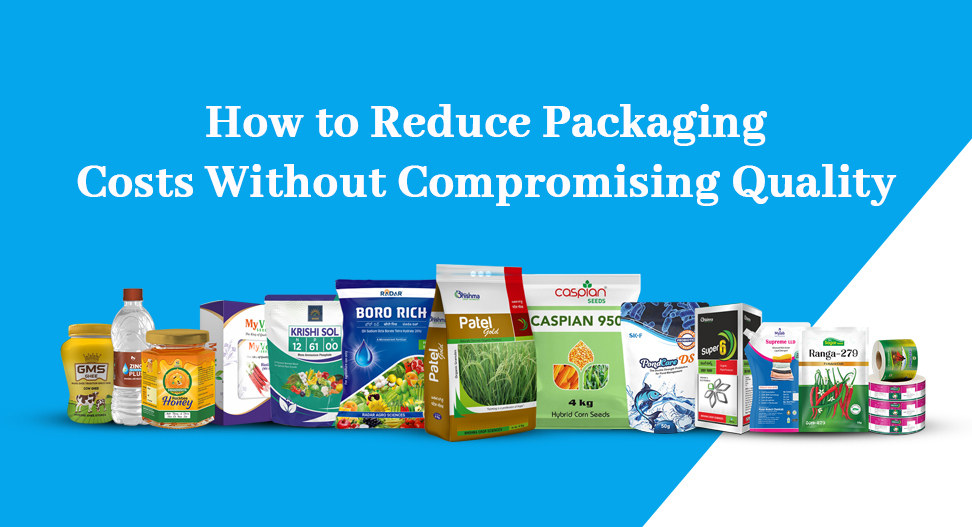
How to Reduce Packaging Costs Without Compromising Quality

Packaging is one of the biggest operational expenses for product-based businesses. Whether you are in FMCG, food, seeds, pesticides, cosmetics, retail, or ecommerce, packaging directly impacts your profit margins. 

Rising material costs and competitive pricing pressure are forcing businesses to rethink their packaging strategies.

So the important question is:

How to reduce packaging costs without compromising quality?

The answer lies in smarter printing methods, better material planning, and efficient production decisions.

This guide explains practical strategies any business can use to reduce packaging costs while maintaining professional quality.

Quick Answer: How to Reduce Packaging Costs

You can reduce packaging costs by:

  • Choosing printing without cylinder
  • Avoiding heavy setup investments
  • Optimizing pouch and label sizes
  • Reducing unnecessary bulk orders
  • Standardizing designs across SKUs
  • Planning production based on demand
  • Working with an experienced packaging partner

Let’s explore each strategy in detail.

1. Choose Printing Without Cylinder

Traditional rotogravure printing requires metal cylinders for every design and color. Each product variant needs separate cylinders.

This increases:

  • Initial setup costs
  • Investment for multiple SKUs
  • Expenses for design changes

Printing without cylinder eliminates the need for metal cylinders.

It is suitable for:

  • Businesses with multiple product variants
  • Seasonal packaging changes
  • Small and medium production runs
  • Brands that frequently update designs

If you are seriously evaluating how to reduce packaging costs, this printing method can significantly lower upfront investment.

2. Avoid Large Minimum Order Quantities

Bulk printing may reduce unit price. However, it often increases:

  • Storage costs
  • Risk of outdated packaging
  • Wastage
  • Cash flow pressure
  • Instead of overstocking packaging materials, align your printing quantity with actual demand.

Smaller, controlled production runs help maintain flexibility and reduce financial risk.

3. Optimize Packaging Size and Structure

Oversized pouches and labels increase both material and shipping costs.

To reduce packaging costs efficiently:

  • Select accurate pouch dimensions
  • Avoid unnecessary thickness
  • Choose appropriate barrier materials
  • Minimize empty space

Lightweight and optimized packaging reduces courier charges and improves logistics efficiency. This applies to industries such as food, agricultural products, personal care, retail goods, and more.

4. Standardize Design Across Variants

Many businesses create completely different layouts for each product variant.

Instead, use:

  • A consistent base design
  • Common brand structure
  • Variant differentiation through color or text

This reduces design complexity and improves production efficiency. At the same time, it strengthens brand identity.

5. Plan Packaging Based on Sales Forecast

Emergency printing increases cost per unit.

To manage expenses better:

  • Track monthly sales patterns
  • Forecast seasonal demand
  • Plan packaging production accordingly

Proper planning prevents last-minute orders and unnecessary reprints.

6. Prefer Flexible Packaging Where Possible

Flexible packaging options like:

  • Stand-up pouches
  • Roll form packaging
  • Shrink sleeves
  • Product labels

offer several cost advantages.

They are:

  • Lightweight
  • Space-efficient
  • Easier to transport
  • Cost-effective for storage

For many industries, flexible packaging reduces overall operational cost compared to rigid alternatives.

7. Eliminate Unnecessary Premium Add-Ons

Special finishes such as embossing or metallic effects may increase packaging expenses.

Before adding premium elements, evaluate:

  • Whether it improves sales
  • Whether it aligns with your product segment
  • Whether customers truly expect it

Often, clean and professional printing quality performs better than overdesigned packaging.

8. Work With a Strategic Packaging Partner

Reducing packaging cost is not only about price per pouch or label.

It is about:

  • Process efficiency
  • Waste reduction
  • Material selection
  • Production planning
  • Consistent quality

If you are planning for long-term growth and wondering how to reduce packaging costs while protecting brand value, choosing the right printing partner is critical.

Conclusion

Reducing packaging costs does not mean reducing quality.

It means making smarter decisions.

Businesses that eliminate unnecessary setup investments, use printing without cylinder, optimize materials, and plan production strategically can protect both margins and brand reputation.

If you are actively looking for how to reduce packaging costs without compromising quality, start by reviewing your printing method and overall packaging strategy.

Cost-Effective Packaging Solutions for Growing Brands

If you require pouch printing, label printing, shrink sleeves, or flexible packaging solutions at competitive pricing, partnering with the right manufacturer can make a major difference.

Kakatiya Printers provides:

  • Pouch printing without cylinder
  • Custom label printing
  • Shrink sleeve printing
  • Flexible packaging solutions for multiple industries

We help businesses across various sectors reduce packaging costs while maintaining consistent print quality.

Visit kakatiyaprinters.com today and get your custom quote.

Frequently Asked Questions
  • How to reduce packaging costs for product-based businesses?

Businesses can reduce packaging costs by choosing printing without cylinder, optimizing material usage, reducing bulk inventory, and planning production based on demand.

  • Is printing without cylinder suitable for multiple industries?

Yes. Printing without cylinder is suitable for FMCG, food, agricultural products, cosmetics, retail, and other industries that require flexible packaging.

  • Does reducing packaging costs reduce quality?

Not when done strategically. Smart material selection and efficient printing processes help maintain high-quality output while lowering expenses.

  • What packaging option is most cost-effective?

Flexible packaging such as stand-up pouches, shrink sleeves, and labels are among the most cost-effective solutions due to lower material and logistics costs.


Contact Us